SOLAS Explained: The Architecture, History, and Enforcement of Maritime Safety
An in-depth analysis of the International Convention for the Safety of Life at Sea, examining its historical origins, regulatory structure, and modern enforcement.
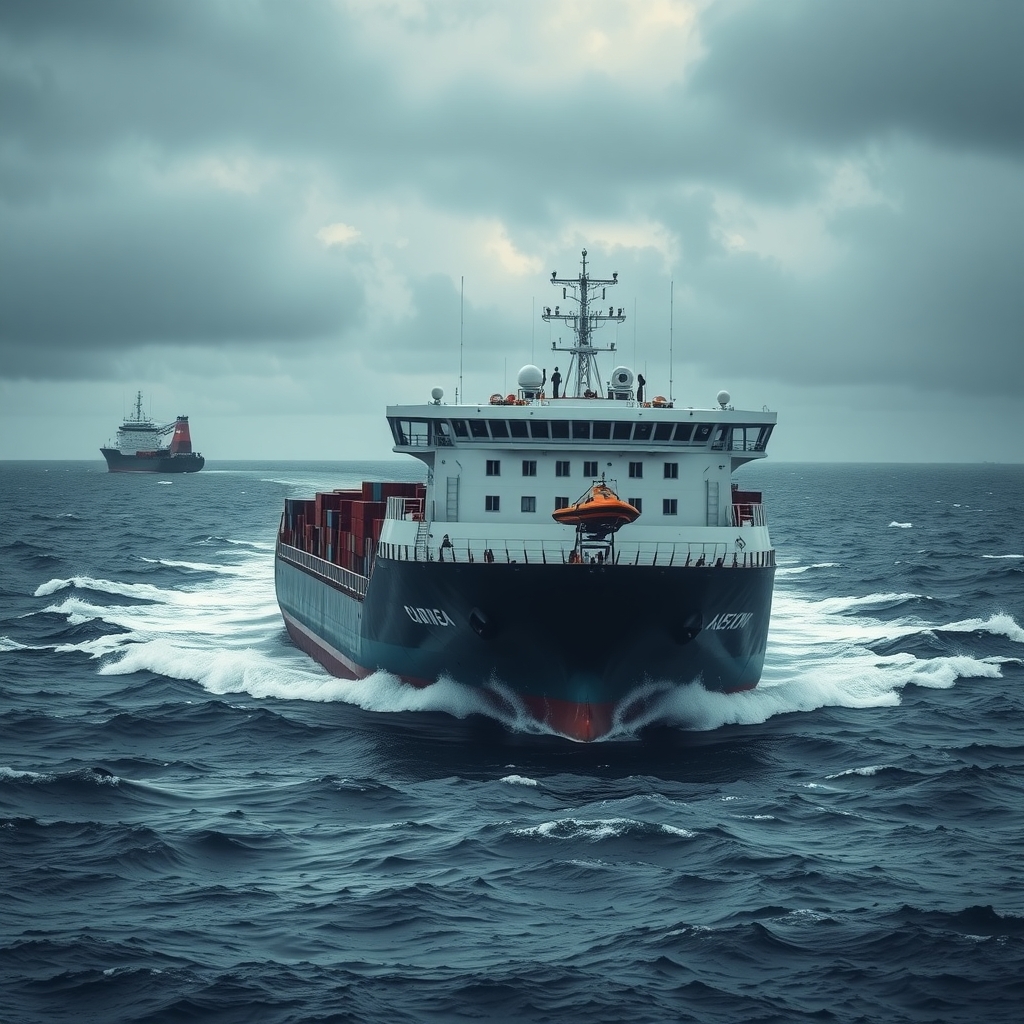
The oceans have historically presented humanity with some of its most unforgiving operational environments. For centuries, merchant shipping operated under customary maritime practices, fragmented domestic statutes, and the unwritten laws of seafaring. That fragmented landscape changed irrevocably during the twentieth century, giving way to an internationally harmonized system of technical mandates and statutory oversights. At the core of this modern legal order sits the International Convention for the Safety of Life at Sea, widely known as SOLAS. Regarded across the shipping world as the most critical of all international maritime treaties, SOLAS sets the baseline safety parameters for ship construction, equipment, operations, and emergency readiness across global commerce.
Administered by the International Maritime Organization (IMO), a specialized agency of the United Nations, SOLAS governs vast aspects of commercial vessel operations. The treaty applies to ships flying the flags of contracting states, which collectively represent virtually the entire gross tonnage of the world merchant fleet. Far from being a static legal document, SOLAS operates as a living regulatory organism, repeatedly updated through specialized legal mechanisms to meet technological advancements, environmental imperatives, and systemic operational risks.
What is the International Convention for the Safety of Life at Sea?
The International Convention for the Safety of Life at Sea is a multilateral treaty establishing uniform international safety standards for the construction, equipment, and operation of merchant ships. In legal terms, SOLAS creates binding treaty obligations for contracting governments, which are subsequently translated into domestic statutory laws by national maritime administrations. Its scope encompasses cargo ships, passenger liners, tankers, bulk carriers, and specialized industrial vessels operating on international voyages.
The primary objective of the convention is to specify minimum standards for the construction, equipment, and operation of ships, compatible with their safety. Flag states that ratify the convention are directly responsible for ensuring that vessels flying their flag conform precisely to its prescriptions. To demonstrate compliance, the convention mandates the issuance of a suite of statutory certificates, including the Passenger Ship Safety Certificate, Cargo Ship Safety Construction Certificate, Cargo Ship Safety Equipment Certificate, and Cargo Ship Safety Radio Certificate. These certificates constitute prima facie evidence that a vessel satisfies the technical requirements set forth in the treaty.
While the convention does not generally apply to warships, wooden ships of primitive build, pleasure yachts not engaged in trade, or cargo vessels of less than 500 gross tonnage, specific provisions, particularly regarding navigational safety, apply universally to all seagoing vessels. Consequently, the convention forms the cornerstone of international admiralty and regulatory governance, functioning in tandem with other flagship maritime conventions such as the International Convention for the Prevention of Pollution from Ships and the International Convention on Standards of Training, Certification and Watchkeeping for Seafarers.
How did the Titanic disaster lead to the SOLAS Convention?
The catastrophic sinking of the British passenger liner RMS Titanic on April 15, 1912, fundamentally transformed global maritime regulation. Striking an iceberg in the North Atlantic on its maiden voyage, the vessel foundered with the loss of more than 1,500 lives. The sheer scale of the disaster exposed glaring deficiencies in existing maritime law, shipbuilding practices, emergency equipment mandates, and wireless telegraphy procedures. At the time, British Board of Trade regulations determined the required number of lifeboats based on ship tonnage rather than passenger capacity, leaving the vessel with insufficient survival craft for all personnel on board.
In the immediate aftermath, formal inquiries convened in both the United Kingdom and the United States. These investigations concluded that isolated domestic legislation could not adequately safeguard ships traversing international waters. The disaster galvanized maritime nations to seek uniform, cross-border engineering and operational standards. In direct response to the sinking, the United Kingdom convened an international conference in London in late 1913, drawing delegations from the major maritime powers of Europe and North America.
The outcome was the adoption of the first International Convention for the Safety of Life at Sea on January 20, 1914. This pioneering treaty introduced mandatory provisions requiring lifeboats for all persons aboard, instituted regular emergency drills, codified the continuous operation of radio telegraphy stations on passenger vessels, and funded the establishment of the International Ice Patrol in the North Atlantic. Although the outbreak of the First World War prevented the 1914 treaty from entering into broad legal force, it established the indelible precedent that maritime safety demands collective, binding international action.
Evolution from 1914 to the 1974 Convention
The technical developments of the interwar and post-war years necessitated comprehensive modernizations of the initial 1914 framework. Successive conventions were adopted in London in 1929, 1948, and 1960. The 1929 convention refined radio communication duties and structural fire protection. The 1948 version broadened the convention scope to include cargo ships, reflected wartime radar advancements, and laid the institutional foundation for the establishment of the Inter-Governmental Maritime Consultative Organization, which later became the modern IMO.
The 1960 convention represented the first major agreement drafted directly under the auspices of the newly established IMO. It introduced modernized rules on machinery, electrical installations, damage stability, and nuclear-powered commercial vessels. However, during the late 1960s and early 1970s, the IMO encountered an acute procedural bottleneck. Under the amendment mechanisms then in place, any change to the convention required explicit formal ratification, acceptance, or approval by a set fraction of contracting states, typically two-thirds. Because national parliaments moved slowly, proposed safety amendments often lingered for decades without entering into force, creating an unacceptable lag behind accelerating naval architecture and marine engineering innovations.
To overcome this systemic stagnation, the international maritime community convened in 1974 to adopt a completely revised treaty: the International Convention for the Safety of Life at Sea, 1974. Entered into force on May 25, 1980, SOLAS 1974 preserved the core technical advances of its predecessors while radically restructuring the mechanism by which the treaty would be amended in the future. As a consequence, SOLAS 1974 remains the definitive instrument in force today, continuously updated and expanded through protocols and tacit amendments.
How does the tacit acceptance procedure work in SOLAS?
The critical procedural innovation of SOLAS 1974 is the tacit acceptance procedure, embodied in Article VIII of the convention. Before this mechanism was introduced, an amendment could only take effect after a specified number of contracting states explicitly deposited their instruments of acceptance with the IMO. In practice, this traditional system crippled safety governance, as bureaucratic inertia in national legislatures routinely prevented vital technical updates from acquiring formal legal force.
Under the tacit acceptance regime, an amendment adopted by the Maritime Safety Committee (MSC) of the IMO enters into force on a specified future date unless, prior to that date, objections are formally lodged by a specified threshold of member states. Specifically, the convention provides that an amendment to technical chapters will enter into force within a designated timeframe, typically between eighteen months and two years, unless objections are raised by either one-third of contracting governments or contracting governments whose combined merchant fleets represent not less than fifty percent of the gross tonnage of the world merchant fleet.
This inverted process transforms silence into assent. Rather than requiring positive legislative ratification for every minor engineering update, governments must actively coordinate a substantial collective protest to prevent an amendment from becoming international law. Because contracting states rarely marshal such opposition against vetted technical enhancements, the tacit acceptance procedure has allowed the IMO to keep pace with rapid developments in radar, satellite communication, containerization, fire insulation, structural engineering, and automated navigation.
What are the main chapters of the SOLAS Convention?
The substantive body of SOLAS 1974 is organized into distinct chapters, each addressing a specialized facet of maritime safety engineering, operational protocols, or ship management. As global commerce expanded and new hazards appeared, the IMO repeatedly amended the convention to introduce novel technical chapters and mandatory codes.
Chapter I: General Provisions
Chapter I establishes the legal scaffolding of the treaty. It defines the categories of ships covered by the convention, establishes the geographical boundaries of international voyages, and sets out the administrative framework for surveys, audits, and certification. It details the mandates for initial, annual, intermediate, and renewal surveys conducted by flag state administrations. Crucially, Chapter I contains Regulation 19, which lays down the basic legal authorization for Port State Control (PSC), empowering foreign port officials to verify the validity of required certificates and examine the operational condition of visiting vessels.
Chapter II-1: Construction – Structure, Subdivision and Stability, Machinery and Electrical Installations
Addressing the fundamental structural integrity of the ship, Chapter II-1 requires vessels to be designed and constructed to withstand catastrophic breaches. The chapter governs subdivision and damage stability, calculating the degree to which a ship must remain afloat and stable after its hull has been breached in a collision or grounding. Following extensive revisions, the convention transitioned from deterministic stability assessments to probabilistic damage stability calculations, assessing survival likelihood across varied compartmental flood scenarios. This chapter also mandates redundancy in steering gears, auxiliary power generators, electrical installations, and propulsion systems to prevent vessels from losing control in severe sea states.
Chapter II-2: Fire Protection, Fire Detection and Fire Extinction
Fire at sea constitutes one of the most perilous scenarios confronting mariners, given the isolation of a vessel and the presence of flammable fuels, electrical networks, and combustible cargoes. Chapter II-2 imposes comprehensive requirements aimed at preventing the ignition of fires, containing outbreaks within designated thermal and structural zones, and detecting and suppressing blazes rapidly. It categorizes bulkheads into structural fire divisions based on their capacity to withstand flame and heat propagation. The chapter is legally coupled with the International Code for Fire Safety Systems (FSS Code), which sets binding technical specifications for fixed fire detection networks, gas suppression systems, water mist arrangements, foam applicators, and specialized firefighter outfits.
Chapter III: Life-Saving Appliances and Arrangements
Directly answering the vulnerabilities exposed by maritime casualties across the twentieth century, Chapter III regulates lifeboats, rescue craft, lifejackets, immersion suits, and launching systems. The provisions dictate capacity standards, requiring cargo ships to carry enclosed lifeboats on each side capable of accommodating the entirety of the ship complement, alongside survival craft provisions for passenger ships. This chapter is operationalized via the mandatory International Life-Saving Appliance Code (LSA Code), which provides detailed engineering standards for free-fall lifeboats, marine evacuation systems, hydrostatic release mechanisms, and personal survival aids.
Chapter IV: Radiocommunications
Radically overhauled in the late twentieth century, Chapter IV mandates the Global Maritime Distress and Safety System (GMDSS). Moving away from traditional manual Morse code telegraphy operated by dedicated radio officers, GMDSS integrates terrestrial radio frequencies with satellite networks. Under this chapter, ships must maintain automated distress alerting mechanisms capable of transmitting ship-to-shore and ship-to-ship alerts from anywhere at sea. Equipment standards require automated digital selective calling, satellite emergency position-indicating radio beacons, maritime safety information receivers, and search and rescue transponders.
Chapter V: Safety of Navigation
Unlike most chapters of SOLAS, which apply exclusively to commercial ships engaged in international trade, Chapter V applies to all vessels on all voyages, with narrow statutory exclusions. It imposes duties on contracting governments to maintain meteorological services, vessel traffic services, and search and rescue arrangements. For vessels, it mandates critical bridge equipment, including the Automatic Identification System (AIS), Voyage Data Recorders (VDR), electronic navigational charts, and long-range identification systems. Regulation 33 of Chapter V reinforces the customary maritime obligation of a ship master to proceed with all possible speed to the assistance of persons in distress at sea.
Chapter VI: Carriage of Cargoes and Oil Fuels
Chapter VI governs the stowage, securing, and carriage of solid bulk cargoes, containers, and fuel oil, addressing physical hazards such as cargo shift, structural overload, and liquefaction. It gives mandatory effect to the International Maritime Solid Bulk Cargoes Code (IMSBC Code). Notably, in response to maritime casualties caused by misdeclared container weights, the IMO amended Chapter VI to require the mandatory verification of gross mass for all export cargo containers prior to loading aboard a vessel.
Chapter VII: Carriage of Dangerous Goods
Chapter VII governs the transport of hazardous materials in packaged form, solid bulk, and liquid bulk. It mandates strict adherence to specialized statutory codes: the International Maritime Dangerous Goods Code (IMDG Code) for packaged hazardous substances, the International Code for the Construction and Equipment of Ships Carrying Dangerous Chemicals in Bulk (IBC Code), and the International Code for the Construction and Equipment of Ships Carrying Liquefied Gases in Bulk (IGC Code). These regimes specify precise chemical packaging, segregation distances, tank design parameters, and toxic cargo mitigation procedures.
Chapter VIII: Nuclear Ships
Introduced during the mid-twentieth century when commercial nuclear propulsion was envisioned as the future of maritime trade, Chapter VIII sets baseline criteria for nuclear-powered merchant vessels. It mandates comprehensive safety assessments, specialized emergency shielding, structural protections against nuclear fuel containment breach during collisions, and mandatory pre-entry approval from host port authorities.
Chapter IX: Management for the Safe Operation of Ships
Historically, maritime safety regimes concentrated almost exclusively on mechanical components, naval architecture, and physical hardware. However, inquiries into disasters such as the 1987 capsizing of the ferry Herald of Free Enterprise demonstrated that organizational breakdown, commercial pressure, and flawed management structures were primary contributors to maritime casualties. To combat corporate negligence and operational dysfunction, Chapter IX made the International Safety Management Code (ISM Code) mandatory across merchant shipping. The ISM Code requires shipping companies to develop, implement, and maintain a verifiable Safety Management System (SMS) both ashore and afloat, culminating in the issuance of a Document of Compliance to the company and a Safety Management Certificate to each individual vessel.
Chapter X: Safety Measures for High-Speed Craft
Because high-speed ferries, catamarans, and surface-effect vessels rely on novel hydrodynamic designs and lightweight materials that cannot accommodate traditional displacement-hull subdivision rules, Chapter X provides an alternative regulatory pathway. It gives legal force to the International Code of Safety for High-Speed Craft (HSC Code), which emphasizes dynamic stability, operational routing restrictions, rapid evacuation systems, and specialized bridge resource protocols.
Chapter XI-1 and XI-2: Special Measures to Enhance Safety and Security
Chapter XI was subsequently divided into two distinct sections to handle emerging institutional and geopolitical risks:
- Chapter XI-1: Authorizes enhanced surveys for bulk carriers and tankers, mandates the IMO ship identification number scheme, requires the carriage of continuous synopsis records tracking the ownership and registration history of a vessel, and reinforces Port State Control procedures.
- Chapter XI-2: Enacted following the September 11, 2001 terrorist attacks, this chapter makes mandatory the International Ship and Port Facility Security Code (ISPS Code). It establishes statutory security levels, requires dedicated ship and port security officers, mandates ship security plans, and equips ships with covert ship security alert systems.
Chapters XII through XV: Modern Expansions
As maritime engineering developed and commerce entered fragile geographical arenas, the IMO introduced additional chapters to address specialized challenges:
- Chapter XII: Focuses on additional structural safety measures for bulk carriers, mandating double-side skins, water level detectors in cargo holds, and dewatering pumping systems to combat sudden catastrophic hull failure caused by dynamic cargo loading.
- Chapter XIII: Embeds the IMO Member State Audit Scheme, establishing a compulsory review process to verify how effectively contracting governments execute their flag, port, and coastal state obligations under the convention.
- Chapter XIV: Enacts the safety-related provisions of the International Code for Ships Operating in Polar Waters (Polar Code), requiring ice-strengthened hulls, thermal life-saving gear, specialized ballast tank heating, and cold-weather survival training for voyages traversing Arctic and Antarctic coordinates.
- Chapter XV: Regulates the safety of ships carrying industrial personnel, establishing structural and operational requirements for offshore support vessels and crew transfer vessels serving energy infrastructure and offshore construction installations.
How is SOLAS enforced by Port State Control?
The practical effectiveness of international maritime law hinges entirely on enforcement. Under classical international law, the primary responsibility for enforcing compliance falls on the flag state, the sovereign jurisdiction in which the ship is registered. However, the rise of open registries, often referred to colloquially as flags of convenience, led to varying degrees of administrative oversight and regulatory rigor. To prevent substandard ships from operating with impunity, SOLAS vests sovereign nations with the authority of Port State Control (PSC).
Under Chapter I, Regulation 19, and Chapter XI-1, foreign-flagged ships entering the ports or anchorages of a coastal state are subject to inspection by authorized Port State Control Officers (PSCOs). The initial phase of an inspection centers on verifying that valid statutory certificates are carried aboard the vessel. If the certificates are valid, the inspecting authority will generally accept that the ship conforms to the required standards, unless there are clear grounds for believing that the condition of the ship or its equipment does not correspond substantially with the particulars of those certificates.
Clear grounds may arise from visible physical degradation, missing safety equipment, inoperative navigation systems, false logbook entries, or evident crew unfamiliarity with essential shipboard safety drills. When clear grounds exist, the PSCO executes a more detailed inspection, examining emergency fire pumps, auxiliary generators, steering gear, lifeboats, structural watertight doors, and the operational functionality of the Safety Management System.
If an inspection reveals deficiencies that are clearly hazardous to safety, health, or the marine environment, the port state administration exercises its ultimate statutory sanction: vessel detention. A detained vessel is prohibited from leaving port until the identified defects are rectified to the satisfaction of the inspecting authority. In parallel, global port state operations are coordinated through regional agreements known as Memoranda of Understanding (MoUs), including the Paris MoU in Europe and the North Atlantic, the Tokyo MoU in the Asia-Pacific, and regional oversight regimes such as the United States Coast Guard inspection program. These regional networks share inspection databases in real time, subjecting persistent non-compliant owners and defective vessels to targeted scrutiny, public blacklisting, and regional port bans.
The Role of Flag States and Recognized Organizations
While Port State Control acts as a safety net, the primary legal duty to survey and certify vessels rests strictly with the flag state under Article I and Chapter I of SOLAS. Flag state administrations must ensure that ships flying their flag are designed, constructed, and maintained in accordance with the exhaustive criteria set down in the treaty. This process involves reviewing vessel design plans, monitoring construction in shipyards, witnessing machinery tests, and conducting regular annual, intermediate, and renewal surveys.
Given the sheer scale and technical complexity of the global commercial fleet, many national maritime administrations lack the technical personnel and worldwide geographical reach necessary to survey thousands of ships operating globally. Consequently, SOLAS permits flag states to delegate statutory survey and certification functions to Recognized Organizations (ROs), which are almost exclusively reputable classification societies such as the American Bureau of Shipping, Lloyd’s Register, Bureau Veritas, and DNV.
These classification societies employ specialized naval architects, marine engineers, and metallurgical surveyors positioned in ports across the globe. Under statutory oversight agreements, classification societies inspect hull structures, boiler systems, life-saving appliances, and radio installations, issuing SOLAS safety certificates on behalf of the flag state. However, this delegation does not absolve the flag administration of its fundamental international accountability. Under the IMO Member State Audit Scheme codified in Chapter XIII, governments are subjected to formal external audits to confirm that their national registries actively monitor their recognized organizations, investigate marine casualties, and enforce SOLAS mandates without compromise.
Technological Modernization and Emerging Maritime Challenges
The maritime industry is undergoing an unprecedented technological and operational transformation driven by global decarbonization mandates, the rise of digital technologies, and the advent of automated systems. As ship design pivots away from traditional heavy fuel oil propulsion and manual navigation, the regulatory architecture of SOLAS must adapt rapidly.
Alternative Marine Fuels and Fire Safety
Decarbonization policies have spurred the adoption of low-carbon and zero-carbon marine fuels, including liquefied natural gas, methanol, ammonia, and hydrogen, as well as high-capacity battery installations. Each of these fuel sources introduces novel, acute safety hazards that lie outside the engineering assumptions of early SOLAS frameworks. Liquefied natural gas carries cryogenic and boiling liquid expanding vapor explosion risks. Methanol burns with a virtually invisible flame, complicating visual fire detection. Ammonia presents extreme toxic and corrosive hazards to shipboard crews, while hydrogen displays exceptionally broad flammability ranges and requires extreme storage pressures or cryogenic temperatures.
To safely accommodate these technologies, the IMO adopted the International Code of Safety for Ships Using Gases or Other Low-Flashpoint Fuels (IGF Code), which interfaces directly with SOLAS Chapter II-1 and Chapter II-2. Rather than relying on traditional prescriptive engineering rules, the convention increasingly incorporates risk-based design methodologies and alternative engineering design analyses, requiring naval architects to prove that novel fuel systems deliver an equivalent level of structural and fire safety compared to conventional heavy fuel arrangements.
Autonomous Ships and the MASS Code
The progression toward Maritime Autonomous Surface Ships (MASS) challenges the core human-centered assumptions of SOLAS. For over a century, the treaty has assumed that every commercial ship carries a master, licensed navigational watch officers, certified engineering personnel, and an experienced deck crew capable of visually monitoring hazards, responding to fire alarms, and manually launching survival craft.
To prepare for unmanned and remotely operated vessels, the IMO has undertaken extensive regulatory scoping exercises to identify regulations across SOLAS that conflict with automated operation. The MSC is currently developing a mandatory goal-based MASS Code. This regulatory work focuses on defining operational authority between shipboard automated systems and remote operations centers ashore, recalibrating Chapter V lookout requirements to encompass artificial intelligence vision sensors, and redesigning Chapter III life-saving and damage control appliances for platforms operating without human seafarers.
Cyber Risk Management and Digital Systems
Modern ships are complex networked ecosystems, integrating integrated bridge systems, dynamic positioning computers, electronic chart display information networks, and engine management controllers with shore-based data connections. The digitization of maritime operations exposes commercial vessels to severe cybersecurity threats, ranging from GPS spoofing and ransomware attacks on vessel control systems to intentional jamming of distress communications.
Rather than establishing a completely distinct convention, the IMO incorporated cyber risk management directly into the existing safety framework through Resolution MSC.428(98). Under this mandate, shipping companies must address maritime cyber risks within their formal Safety Management Systems established under SOLAS Chapter IX. By treating cyber vulnerabilities as critical operational risks, the convention ensures that digital infrastructure is subjected to the same continuous audits, procedural backups, and emergency readiness drills that govern physical shipboard machinery.
Conclusion
The International Convention for the Safety of Life at Sea represents one of the most successful international regulatory frameworks in human history. Born from the tragic losses of the Edwardian era, the treaty has evolved across more than a century from an initial reaction to the Titanic disaster into an exhaustive, modern legal architecture that safeguards millions of seafarers and passengers aboard the international merchant fleet.
Through the administrative innovation of the tacit acceptance procedure, SOLAS overcame the paralysis of traditional diplomatic treaties, enabling technical updates to keep stride with modern naval engineering. Supported by flag state oversight, classification societies, and the unyielding enforcement of Port State Control, the convention maintains a vital regulatory bulwark against commercial compromises and substandard shipping. As maritime trade navigates the complex challenges of alternative fuels, autonomous platforms, and cyber threats, SOLAS continues to fulfill its original statutory objective: ensuring that those who work and travel upon the high seas can do so under the highest standards of safety, stability, and survival.
Comments
No comments yet.