Shipowners’ Duties and Legal Liabilities in International Maritime Law
An in-depth academic examination of shipowners' duties and legal liabilities under international maritime conventions and jurisprudence.
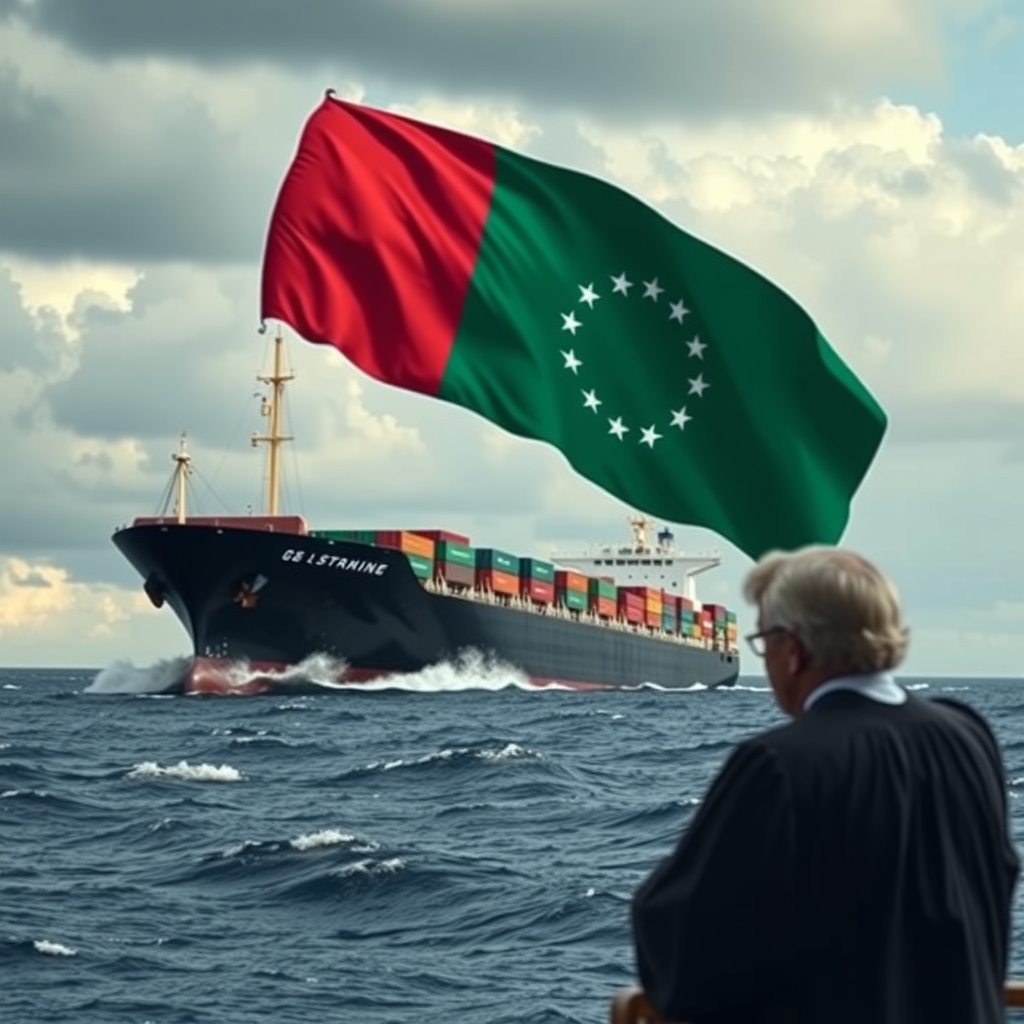
The architecture of modern maritime commerce rests upon a delicate equilibrium between commercial enterprise and sovereign regulation. At the center of this legal framework stands the shipowner, an entity burdened with an expansive web of public international obligations, private contractual duties, and strict tortious liabilities. Navigating these responsibilities requires a rigorous understanding of overlapping legal regimes, ranging from traditional admiralty law to contemporary environmental conventions and international human rights standards. As maritime trade intensifies and vessels grow in scale, the nature of shipowner liability has evolved from a relatively contained regime of domestic fault into a complex, transnational labyrinth governed by global treaties, specialized tribunals, and dynamic judicial interpretations.
To comprehend the full scope of shipowner accountability, one must first examine the foundational duties imposed by international conventions. The legal personality of the shipowner—whether operating as a natural person, a corporate entity, or a bareboat charterer treated as the owner pro hac vice—determines the primary locus of responsibility. International instruments such as the United Nations Convention on the Law of the Sea (UNCLOS) establish the overarching obligations of flag states, which in turn devolve operational duties onto the owners of registered vessels. These duties encompass not merely the commercial profitability of the voyage, but the absolute preservation of navigational safety, marine environmental protection, and the physical well-being of those on board.
What are the core operational duties of a shipowner under international maritime law?
The operational duties of a shipowner begin long before a vessel casts off its moorings, anchoring primarily in the doctrine of seaworthiness. Traditionally framed under common law and codified in various international carriage of goods regimes, the obligation to provide a seaworthy ship is absolute at the inception of the voyage. This entails ensuring that the hull, machinery, equipment, and navigational systems are reasonably fit to encounter the ordinary perils of the anticipated voyage. Furthermore, the duty extends to the manning of the vessel, requiring the shipowner to supply a crew that is sufficient in number, properly certified under the Standards of Training, Certification and Watchkeeping (STCW) Convention, and physically competent to execute their duties.
Beyond physical seaworthiness, shipowners bear profound administrative and regulatory duties. Under the International Safety Management (ISM) Code, adopted pursuant to Chapter IX of the Safety of Life at Sea (SOLAS) Convention, shipowners must establish a robust Safety Management System (SMS). The ISM Code shifts focus from merely regulating the physical ship to auditing the management structures on shore, holding the designated person ashore and the corporate entity directly accountable for operational compliance. Failure to maintain an effective SMS or systematic non-compliance with SOLAS, MARPOL, and the Maritime Labour Convention (MLC) exposes the shipowner to administrative detention by port state control authorities, civil penalties, and catastrophic criminal liability in the event of an ensuing casualty.
The operational burden is further compounded by strict environmental duties. Conventions such as the International Convention for the Prevention of Pollution from Ships (MARPOL) impose absolute prohibitions against operational discharges of hydrocarbons, noxious liquid substances, and garbage. Shipowners are legally required to equip their vessels with certified pollution prevention apparatus, maintain meticulous oil record books, and ensure compliance with regional emissions control areas. When a discharge occurs, regardless of direct fault, the shipowner frequently faces immediate, strict financial liability for cleanup costs under frameworks established by the International Oil Pollution Compensation (IOPC) Funds and domestic implementing legislation such as the United States Oil Pollution Act.
How do international conventions apportion shipowner liability for maritime casualties?
When maritime disasters occur—ranging from allisions and collisions to catastrophic structural failures—the apportionment of liability shifts from administrative oversight to contentious dispute resolution before judicial bodies and arbitral tribunals. Jurisprudence from the International Court of Justice (ICJ), the International Tribunal for the Law of the Sea (ITLOS), and specialized domestic admiralty courts shapes how fault is evaluated. In collision cases, international rules such as the 1910 Brussels Collision Convention and subsequent uniform admiralty jurisprudence utilize comparative fault regimes, dividing liability in proportion to the respective degrees of navigational error committed by the vessels' masters and crews.
However, the shipowner's liability is not limited to direct navigational negligence. Through the doctrine of respondeat superior and statutory extensions, shipowners are held vicariously responsible for the torts of their master and crew committed within the scope of their employment. In complex multi-party casualties, such as salvage operations or general average situations governed by the York-Antwerp Rules, the shipowner acts as a fiduciary for cargo interests, coordinating the declaration of general average and securing security bonds before releasing cargo. The interplay between hull and machinery insurance policies, protection and indemnity (P&I) clubs, and direct actions by injured third parties creates a dense financial ecosystem where legal liability is continuously mediated by insurance contract interpretation.
A critical pillar of shipowner protection within this liability matrix is the right to limit liability. Established through historical conventions such as the 1976 Convention on Limitation of Liability for Maritime Claims (LLMC) and its 1996 Protocol, shipowners are permitted to constitute a global limitation fund based on the tonnage of the vessel. This statutory privilege shields owners from catastrophic commercial ruin resulting from the negligence of their servants, provided the owner’s personal act or omission did not amount to recklessness with knowledge that such damage would probably result—a remarkably high legal threshold for claimants to pierce, as affirmed by numerous international appellate decisions.
The following comparative table illustrates the primary international conventions governing shipowner duties and their respective enforcement mechanisms:
| International Convention | Primary Subject Matter | Core Shipowner Duty | Enforcement Mechanism |
|---|---|---|---|
| SOLAS | Navigational and structural safety | Maintain vessel compliance and safety management systems | Flag state audits and Port State Control detentions |
| MARPOL | Marine environmental protection | Prevent illegal discharges and manage shipboard waste | Penal sanctions, detention, and IOPC fund claims |
| MLC | Seafarers' employment rights | Ensure fair wages, safe working conditions, and repatriation | Maritime Labour Certificates and union inspections |
| LLMC Protocol 1996 | Limitation of financial exposure | Establish limitation funds following maritime casualties | Admiralty court limitation proceedings |
What are the legal boundaries of shipowner responsibility for crew welfare and labor standards?
The human element remains the most vulnerable variable in maritime operations, making the legal boundaries of shipowner responsibility toward crew members a subject of intense international scrutiny. The Maritime Labour Convention (MLC), often styled as the seafarers' bill of rights, codifies comprehensive obligations regarding recruitment, minimum age, medical care, hours of work and rest, accommodation, food, and social security. Unlike historical maritime codes that treated crew members as indentured adjuncts to the vessel, modern international jurisprudence treats seafarers as specialized industrial workers entitled to robust, non-negotiable statutory protections.
Shipowners owe a non-delegable duty of care to provide a safe place of work. When a seafarer suffers personal injury or illness during the course of employment, the shipowner is strictly obligated to provide prompt medical attention, maintenance and cure (in various common law traditions), and financial compensation under collective bargaining agreements or statutory employment contracts. Furthermore, the persistent crisis of seafarer abandonment—where shipowners become insolvent, vanish, or refuse to repatriate stranded crews—has forced international bodies to reinforce mandatory financial security requirements. Under recent amendments to the MLC, shipowners must maintain direct insurance or bank guarantees specifically earmarked to cover repatriation costs, outstanding wages, and essential sustenance for abandoned crews.
Judicial scrutiny over crew welfare extends into the realm of criminal liability. In various jurisdictions, prosecutors have increasingly sought to pierce corporate veils and prosecute shipowners directly for corporate manslaughter or gross negligence when substandard safety equipment or excessive working hours directly cause fatal onboard accidents. This trend reflects a broader jurisprudential shift away from viewing maritime casualties as mere commercial accidents toward recognizing them as regulatory failures rooted in corporate governance decisions made ashore.
How do environmental liabilities and wreck removal obligations impact shipowners?
Environmental disasters and vessel casualties impose some of the most severe financial and legal liabilities upon modern shipowners. Beyond operational pollution regulated by MARPOL, catastrophic events involving bunker spills, hazardous cargo releases, and sunken hulls trigger complex international liability regimes. The Nairobi International Convention on the Removal of Wrecks establishes strict liability for shipowners to locate, mark, and remove wrecks that pose a hazard to navigation or the marine environment. Crucially, this convention mandates compulsory insurance for wreck removal, ensuring that coastal states are not left bearing the exorbitant costs of clearing navigation channels following a shipwreck.
When assessing environmental damage, international tribunals and domestic courts grapple with the quantification of ecological harm independent of pure economic loss. Cases adjudicated before the International Tribunal for the Law of the Sea emphasize the due diligence obligations of flag states and shipowners to prevent transboundary environmental degradation. The legal fiction of limited liability is frequently challenged in environmental cases through targeted domestic legislation, such as the United States Comprehensive Environmental Response, Compensation, and Liability Act (CERCLA), which can impose joint and several liability that bypasses traditional international limitation funds under specific circumstances of gross negligence or statutory violations.
Arbitral tribunals and specialized maritime courts also confront the contentious issue of salvage awards versus environmental protection. Under the 1989 International Convention on Salvage, incorporating the Special Compensation Protection and Indemnity (SCOPIC) clause, professional salvors are guaranteed reimbursement of expenses and a special compensation enhancement when their intervention prevents or minimizes environmental damage, even if the traditional no-cure, no-pay salvage operation fails. Shipowners ultimately finance these enhanced environmental protections through their P&I club entries, cementing the link between private insurance underwriting and public environmental policy.
What challenges arise in piercing corporate veils and establishing ultimate beneficial ownership?
The globalized nature of maritime commerce is characterized by complex corporate structures, flag-of-convenience registries, and multi-layered management companies designed to insulate ultimate beneficial owners from legal liability. Single-ship companies, offshore holding entities, and anonymous beneficial ownership present profound challenges for claimants, regulators, and international courts seeking to enforce judgments or allocate responsibility following a major maritime disaster.
To counteract these evasive structures, contemporary maritime jurisprudence has increasingly embraced doctrines of piercing the corporate veil, alter ego liability, and statutory tracing of beneficial ownership. International organizations, including the International Maritime Organization (IMO) and the Financial Action Task Force (FATF), press for mandatory transparency registers to unmask the real parties in control of commercial vessels. When a corporate entity is shown to be a mere facade or sham established solely to evade environmental liabilities or labor obligations, courts in major maritime jurisdictions have demonstrated a willingness to look behind the certificate of registry and hold parent corporations and ultimate beneficial owners directly liable.
Furthermore, jurisdictional conflicts frequently paralyze maritime enforcement. Questions of forum non conveniens, competing arrest jurisdictions under the 1952 and 1999 Arrest Conventions, and divergent national interpretations of maritime liens create a high-stakes arena of procedural strategy. Claimants seeking to arrest a sister ship or enforce a foreign maritime judgment must navigate intricate rules regarding sovereign immunity, state-owned commercial vessels, and recognition of foreign arbitral awards under the New York Convention.
The following structured overview highlights the procedural pathways available for enforcing shipowner liabilities across international jurisdictions:
- In Rem Actions: Direct arrest of the offending vessel within territorial waters to secure maritime liens for collision, salvage, crew wages, or cargo damage.
- Sister Ship Arrests: Attachment of associated vessels under common beneficial ownership to satisfy outstanding liabilities when the primary tortfeasor vessel is outside the jurisdiction.
- Limitation Fund Proceedings: Initiation of statutory limitation actions by shipowners to centralize claims and cap aggregate financial exposure in a single competent admiralty court.
- Direct Action Against Insurers: Invoking specialized statutory rights to sue Protection and Indemnity clubs directly when the shipowner is insolvent or unlocatable.
Ultimately, the legal regime governing shipowners’ duties and liabilities remains a dynamic interplay between sovereign authority and private commercial enterprise. As maritime technology advances toward autonomous shipping, alternative fuels, and digitized supply chains, international jurisprudence will continue to adapt these enduring principles of seaworthiness, vicarious fault, and strict environmental accountability. The enduring challenge for international maritime law lies in harmonizing divergent regional legal traditions while maintaining an effective, enforceable framework that protects seafarers, preserves the marine environment, and sustains global commerce.
Comments
No comments yet.