The Jurisprudential Nexus: Port State Authority and Terminal Operator Liability
This analysis examines the evolving intersection of international maritime conventions, port authority mandates, and the complex liability regimes governing terminal operations.
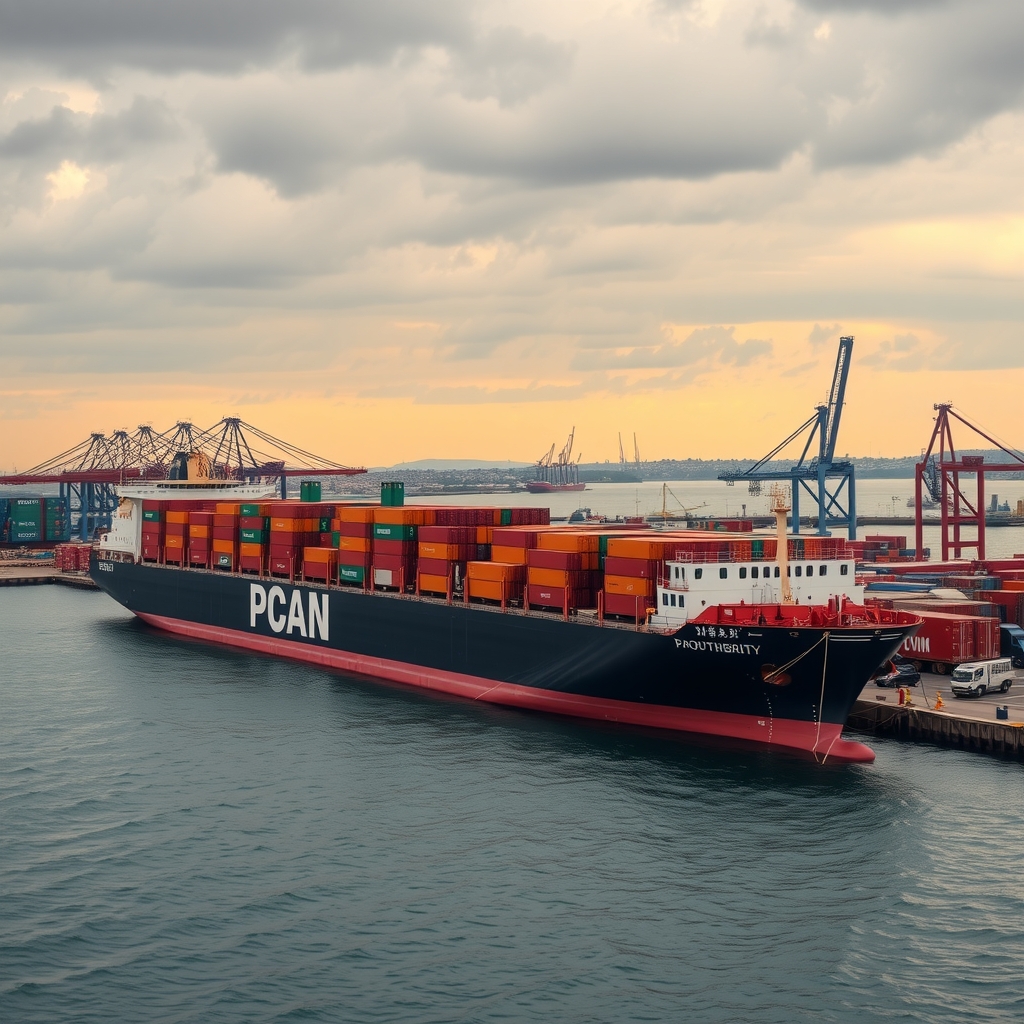
The Constitutional Framework of Port State Authority
The contemporary port remains a paradox of legal jurisdiction. While the vessel is subject to the flag state principle under the United Nations Convention on the Law of the Sea (UNCLOS), the port environment necessitates a bifurcated approach to sovereign control. Port states, exercising their territorial authority, maintain an expansive mandate to regulate safety, security, and environmental protection. This power, codified through the 1982 UNCLOS and further refined by the International Convention for the Safety of Life at Sea (SOLAS), creates a complex web of overlapping regulatory regimes. When a vessel enters internal waters, the absolute jurisdiction of the flag state yields to the administrative and legislative prerogative of the port state, a transition that often obscures the precise boundary of liability for industrial incidents occurring on the quay.
The jurisprudential evolution of this interaction has been significantly influenced by the work of the International Maritime Organization (IMO) and its sub-committees. Port state control (PSC) regimes have matured from purely discretionary inspections into formalized, region-wide protocols, such as the Paris Memorandum of Understanding. These instruments codify the duty of the state to ensure that foreign-flagged vessels comply with global standards, yet they simultaneously elevate the state’s potential exposure to claims of procedural malpractice when such interventions result in economic loss or operational delay.
How does port state control work in practice?
Port state control operates as a mechanism of regulatory enforcement designed to address the perceived shortcomings of flag state oversight. It functions through a tiered inspection process. Authorized inspectors—often maritime professionals acting as state agents—conduct initial assessments to verify the validity of ship certificates and the operational compliance of the crew. If deficiencies are discovered, the inspection expands, potentially leading to the detention of the vessel.
From a legal standpoint, the legitimacy of PSC actions hinges on the principle of reasonableness as interpreted in various tribunals. If an inspection lacks sufficient factual foundation or is conducted in a discriminatory manner, it may fall afoul of international obligations regarding the freedom of navigation. The interaction between these inspections and terminal operations is critical; an erroneous detention by state authorities can disrupt supply chains, raising the question of who bears the cost of the downtime: the vessel operator, the cargo interests, or the state itself.
The Liability Architecture of Terminal Operations
Terminal operators function within a hybrid sphere of public and private law. While often operating under concessions granted by sovereign states, their daily activities involve contractual relationships governed by local commercial law and international transport conventions. The central challenge lies in the allocation of liability during the cargo transition period—the interval between the discharge of goods from the vessel and their delivery to the consignee or onward carrier.
Historically, the Hague-Visby Rules established clear parameters for the shipowner’s liability during the carriage phase. However, the extension of these duties into the terminal environment remains a contentious issue in international arbitration. Disputes often revolve around the distinction between the master’s duty to ensure a seaworthy vessel and the terminal operator’s obligation to maintain safe harbor facilities. In cases involving cargo damage at the terminal, courts and tribunals (notably under the aegis of the Permanent Court of Arbitration) have frequently interrogated the chain of causation, looking for evidence of system-wide failure rather than isolated negligence.
| Regime | Primary Scope | Legal Basis |
|---|---|---|
| UNCLOS | Jurisdictional Sovereignty | International Treaty |
| SOLAS | Operational Safety | IMO Convention |
| Rotterdam Rules | Multimodal Liability | Contractual Framework |
Who is liable for a ship collision within port limits?
The attribution of fault in a port-side collision requires a rigorous assessment of navigational duties and local pilotage regulations. In many jurisdictions, the presence of a compulsory pilot creates a nuanced liability profile. The traditional doctrine held that the master retained ultimate authority for the safety of the ship; however, modern jurisprudence acknowledges the master’s limited ability to intervene in complex, high-speed maneuvers within confined port waters. International arbitral bodies and the International Tribunal for the Law of the Sea (ITLOS) have increasingly scrutinized the interplay between the pilot’s local knowledge and the master’s general command.
When a collision occurs, liability is generally apportioned based on comparative fault. If the collision is deemed to have been caused by an obstruction in the fairway—such as a poorly marked mooring or a failure of the terminal to provide adequate tug assistance—liability may shift, at least partially, to the terminal operator or the port authority. The burden of proof rests on the claimant to demonstrate that the terminal or port failed to meet the standard of care expected of a prudent operator in a hazardous maritime environment.
Doctrinal Conflicts and Emerging Challenges
A significant friction exists between the principle of limited liability for shipowners and the broadening scope of environmental responsibility for port operators. As global trade shifts toward larger, more complex vessels, the infrastructure of the port is being pushed to its limits. This physical strain is matched by a legal strain regarding the interpretation of the Doctrine of Unseaworthiness when applied to the interface between the ship and the terminal's infrastructure. If a ship causes damage to a terminal due to a failure in its mooring gear, the shipowner is often strictly liable. Conversely, if the terminal’s automated loading equipment fails, the operator’s liability is typically restricted by contractual clauses, creating an imbalance that critics argue favors the terminal over the shipowner.
Furthermore, the digital transformation of port operations introduces new variables into the liability calculus. Autonomous cargo handling and AI-driven traffic management systems complicate the determination of negligence. Where the human element is removed, the legal profession is forced to recalibrate the standards of care, moving from human error-based analysis to systemic audit models. This transition is expected to invite new disputes concerning the design and maintenance of software, potentially drawing technology providers into the traditional maritime liability net.
Concluding Perspectives
The regulatory and liability landscape of modern port operations remains in a state of flux, shaped by the tension between national sovereign prerogatives and the universal mandates of maritime law. As international trade continues to integrate, the demand for legal certainty will require a move toward more harmonized standards for port and terminal liability. The reliance on fragmented local statutes, while currently necessary for administrative efficiency, acts as an impediment to the seamless flow of global commerce. Future progress will likely depend on the refinement of uniform interpretation by international forums, ensuring that the division of responsibility between the flag state, the port state, and the terminal operator is articulated with sufficient clarity to mitigate, rather than provoke, protracted litigation.
Comments
No comments yet.