Particularly Sensitive Sea Areas
Particularly Sensitive Sea Areas (PSSAs) and Special Areas are designated to protect the marine environment. These areas have specific regulations to prevent pollution and damage
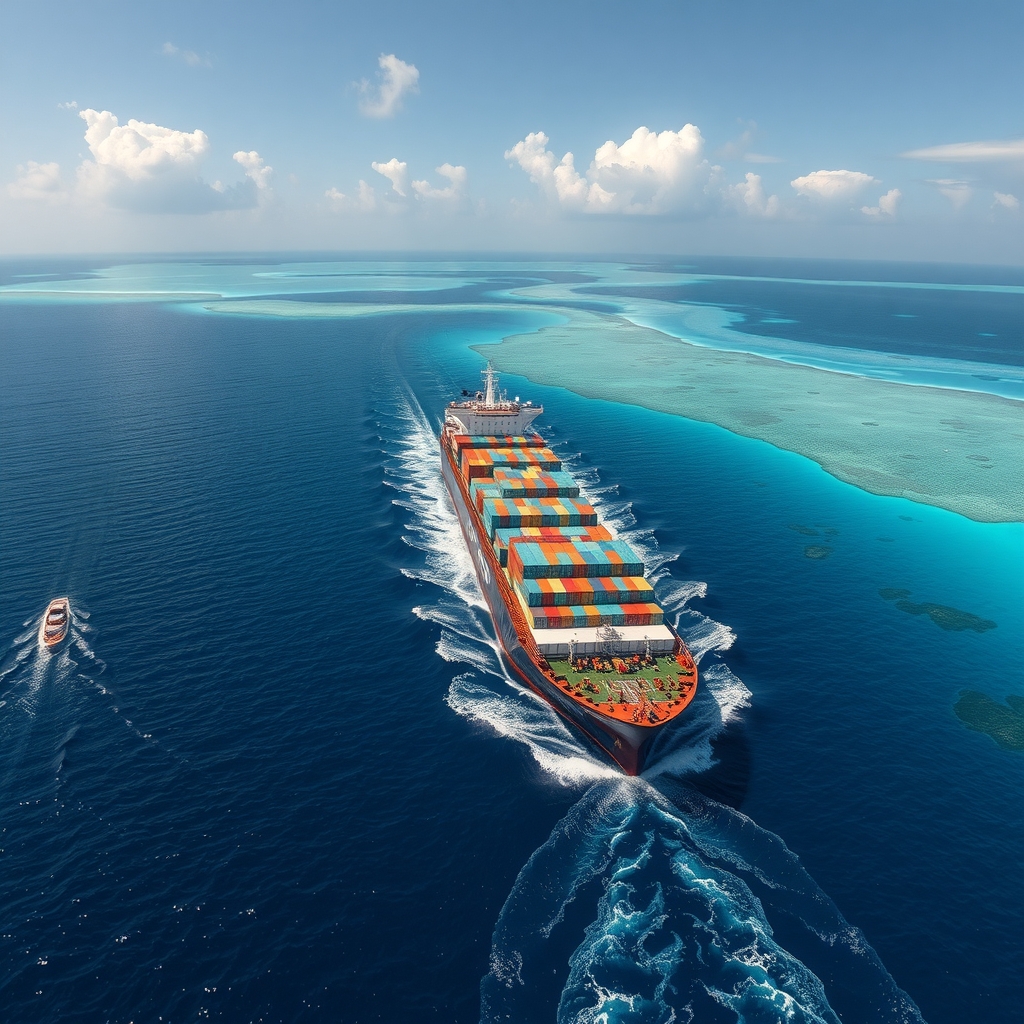
Particularly Sensitive Sea Areas (PSSAs) and Special Areas are designated by the International Maritime Organization (IMO) to protect the marine environment from the potential impacts of international shipping. These areas are considered to be of particular importance due to their ecological, socio-economic, or scientific significance.
What are Particularly Sensitive Sea Areas?
PSSAs are areas that require special protection due to their vulnerability to damage from shipping activities. These areas can include coral reefs, marine mammal habitats, and other ecosystems that are sensitive to pollution and physical damage. The designation of a PSSA is intended to provide an additional layer of protection for these areas, beyond what is provided by existing regulations.
How are PSSAs Designated?
The designation of a PSSA is a complex process that involves the submission of a proposal to the IMO by a coastal state or a group of coastal states. The proposal must include information on the ecological, socio-economic, or scientific significance of the area, as well as an assessment of the potential impacts of shipping on the area. The IMO then reviews the proposal and makes a decision on whether to designate the area as a PSSA.
What are Special Areas?
Special Areas are areas that have been designated by the IMO as being at risk from pollution due to shipping activities. These areas can include areas with high levels of shipping traffic, areas with sensitive ecosystems, and areas that are prone to oil spills. Special Areas have specific regulations in place to prevent pollution, such as requirements for ships to use cleaner fuels or to implement specific waste management practices.
What is the Difference Between PSSAs and Special Areas?
While both PSSAs and Special Areas are designated to protect the marine environment, there are key differences between the two. PSSAs are designated to protect areas that are vulnerable to damage from shipping activities, while Special Areas are designated to prevent pollution from shipping activities. PSSAs can include a range of measures to protect the area, including restrictions on shipping traffic, while Special Areas typically have specific regulations in place to prevent pollution.
How Does the Designation of a PSSA or Special Area Affect Shipping?
The designation of a PSSA or Special Area can have significant impacts on shipping activities. For example, ships may be required to use cleaner fuels or to implement specific waste management practices when operating in these areas. Additionally, ships may be subject to restrictions on their speed or routing when operating in PSSAs or Special Areas. These measures can help to reduce the risk of pollution and damage to the marine environment.
What is the Role of the International Maritime Organization in Designating PSSAs and Special Areas?
The IMO plays a critical role in the designation of PSSAs and Special Areas. The IMO is responsible for reviewing proposals for the designation of these areas and for making decisions on whether to designate an area as a PSSA or Special Area. The IMO also provides guidance and support to coastal states and other stakeholders on the designation and management of these areas.
How Can We Balance the Needs of Shipping with the Need to Protect the Marine Environment?
Balancing the needs of shipping with the need to protect the marine environment is a complex challenge. One approach is to implement measures that reduce the risk of pollution and damage from shipping activities, such as the use of cleaner fuels or the implementation of specific waste management practices. Additionally, the designation of PSSAs and Special Areas can help to provide an additional layer of protection for vulnerable ecosystems and habitats.
In conclusion, PSSAs and Special Areas are critical components of the international effort to protect the marine environment from the potential impacts of shipping. By understanding the designation and management of these areas, we can better appreciate the importance of balancing the needs of shipping with the need to protect the marine environment.
What is the Future of PSSAs and Special Areas?
The future of PSSAs and Special Areas will depend on a range of factors, including the continued growth of international shipping and the increasing awareness of the need to protect the marine environment. As the IMO continues to play a critical role in the designation and management of these areas, it is likely that we will see an expansion of the number of PSSAs and Special Areas in the coming years.
How Does Port State Control Contribute to the Protection of PSSAs and Special Areas?
Port state control plays a critical role in the protection of PSSAs and Special Areas by ensuring that ships comply with international regulations and standards. By inspecting ships and enforcing regulations, port state control can help to reduce the risk of pollution and damage to the marine environment.
What is the Relationship Between PSSAs and the Law of the Sea?
The relationship between PSSAs and the law of the sea is complex and multifaceted. The law of the sea provides a framework for the protection of the marine environment, and the designation of PSSAs and Special Areas is an important component of this framework. By understanding the law of the sea and its relationship to PSSAs and Special Areas, we can better appreciate the importance of protecting the marine environment.
How Can We Ensure the Effective Management of PSSAs and Special Areas?
Ensuring the effective management of PSSAs and Special Areas requires a range of measures, including the implementation of specific regulations and standards, the provision of guidance and support to coastal states and other stakeholders, and the ongoing monitoring and evaluation of the effectiveness of these measures. By working together, we can help to ensure the long-term protection of the marine environment.
What are the Challenges and Opportunities of Designating PSSAs and Special Areas?
The designation of PSSAs and Special Areas presents a range of challenges and opportunities. One of the key challenges is balancing the needs of shipping with the need to protect the marine environment. However, the designation of these areas also presents opportunities for the protection of vulnerable ecosystems and habitats, and for the promotion of sustainable shipping practices.
How Does the Designation of PSSAs and Special Areas Contribute to the Protection of Biodiversity?
The designation of PSSAs and Special Areas can contribute to the protection of biodiversity by providing an additional layer of protection for vulnerable ecosystems and habitats. By reducing the risk of pollution and damage from shipping activities, these areas can help to promote the conservation of marine biodiversity.
What is the Role of Coastal States in the Designation and Management of PSSAs and Special Areas?
Coastal states play a critical role in the designation and management of PSSAs and Special Areas. These states are responsible for submitting proposals for the designation of these areas, and for implementing and enforcing regulations to protect the marine environment.
How Can We Promote Sustainable Shipping Practices in PSSAs and Special Areas?
Promoting sustainable shipping practices in PSSAs and Special Areas requires a range of measures, including the implementation of specific regulations and standards, the provision of guidance and support to ships and other stakeholders, and the ongoing monitoring and evaluation of the effectiveness of these measures. By working together, we can help to promote sustainable shipping practices and reduce the risk of pollution and damage to the marine environment.
In conclusion, PSSAs and Special Areas are critical components of the international effort to protect the marine environment from the potential impacts of shipping. By understanding the designation and management of these areas, we can better appreciate the importance of balancing the needs of shipping with the need to protect the marine environment.
Comments
No comments yet.