Maritime Search and Rescue Convention
The Maritime Search and Rescue Convention aims to save lives at sea. It is an essential international agreement that ensures cooperation among nations to rescue people in distress.
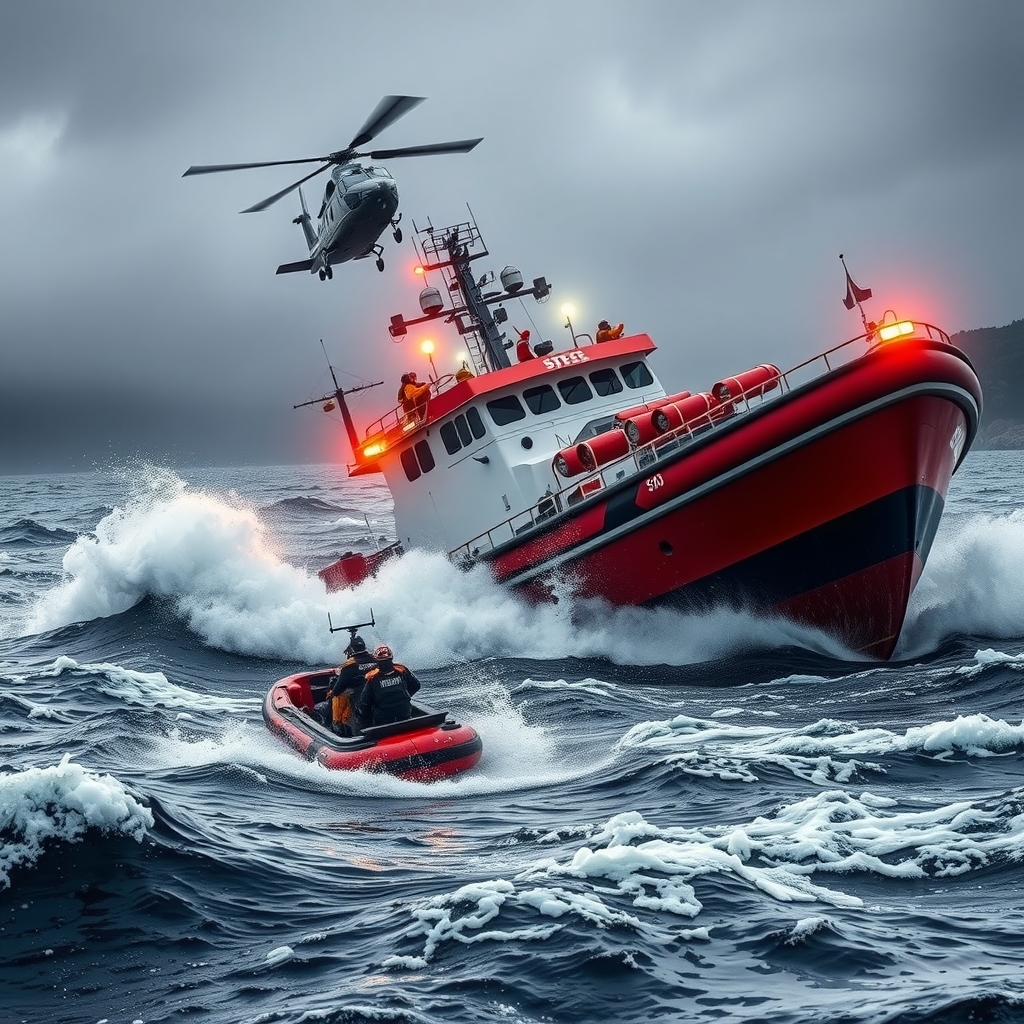
The Maritime Search and Rescue (SAR) Convention is a crucial international agreement that aims to save lives at sea. It is an essential component of the global effort to ensure the safety of maritime transport and the protection of human life in the event of an emergency.
What is the Maritime Search and Rescue Convention?
The Maritime SAR Convention is an international treaty that was adopted in 1979 by the International Maritime Organization (IMO). The convention sets out the principles and procedures for search and rescue operations at sea, with the primary goal of saving lives and preventing loss of life.
How does the Maritime Search and Rescue Convention work?
The convention establishes a framework for cooperation among nations to rescue people in distress at sea. It requires countries to establish search and rescue regions, designate authorities to coordinate search and rescue operations, and provide assistance to people in distress, regardless of their nationality.
What are the key components of the Maritime Search and Rescue Convention?
The convention has several key components, including the establishment of search and rescue regions, the designation of authorities to coordinate search and rescue operations, and the provision of assistance to people in distress. It also emphasizes the importance of cooperation among nations and the need for effective communication and coordination during search and rescue operations.
How does the Maritime Search and Rescue Convention ensure cooperation among nations?
The convention ensures cooperation among nations by establishing a framework for coordination and communication during search and rescue operations. It requires countries to share information, provide assistance, and coordinate their efforts to rescue people in distress. This cooperation is essential to saving lives and preventing loss of life at sea.
What is the role of the International Maritime Organization in the Maritime Search and Rescue Convention?
The International Maritime Organization (IMO) plays a crucial role in the Maritime SAR Convention. The IMO is responsible for promoting the implementation of the convention, providing technical assistance to countries, and facilitating cooperation among nations. The IMO also works to develop and implement new technologies and procedures to improve search and rescue operations.
How does the Maritime Search and Rescue Convention impact global maritime safety?
The Maritime SAR Convention has a significant impact on global maritime safety. By establishing a framework for cooperation among nations, the convention helps to save lives and prevent loss of life at sea. It also promotes the development of new technologies and procedures to improve search and rescue operations, which in turn enhances global maritime safety.
What are the challenges facing the implementation of the Maritime Search and Rescue Convention?
Despite its importance, the implementation of the Maritime SAR Convention faces several challenges. These include the need for effective communication and coordination among nations, the provision of adequate resources and funding, and the development of new technologies and procedures to improve search and rescue operations.
What is the future of the Maritime Search and Rescue Convention?
The future of the Maritime SAR Convention is critical to ensuring the continued safety of maritime transport and the protection of human life at sea. As the global maritime industry continues to evolve, the convention must adapt to new challenges and technologies. This will require ongoing cooperation among nations, the development of new procedures and technologies, and a continued commitment to saving lives and preventing loss of life at sea.
In conclusion, the Maritime Search and Rescue Convention is a vital international agreement that aims to save lives at sea. Its implementation is critical to ensuring the safety of maritime transport and the protection of human life in the event of an emergency. By promoting cooperation among nations, developing new technologies and procedures, and providing assistance to people in distress, the convention plays a crucial role in enhancing global maritime safety.
Comments
No comments yet.