The Architecture of Limitation: Liability Regimes and the Doctrine of Global Limitation at Sea
An analytical examination of maritime limitation regimes, focusing on the historical evolution and current application of the LLMC Convention in global shipping.
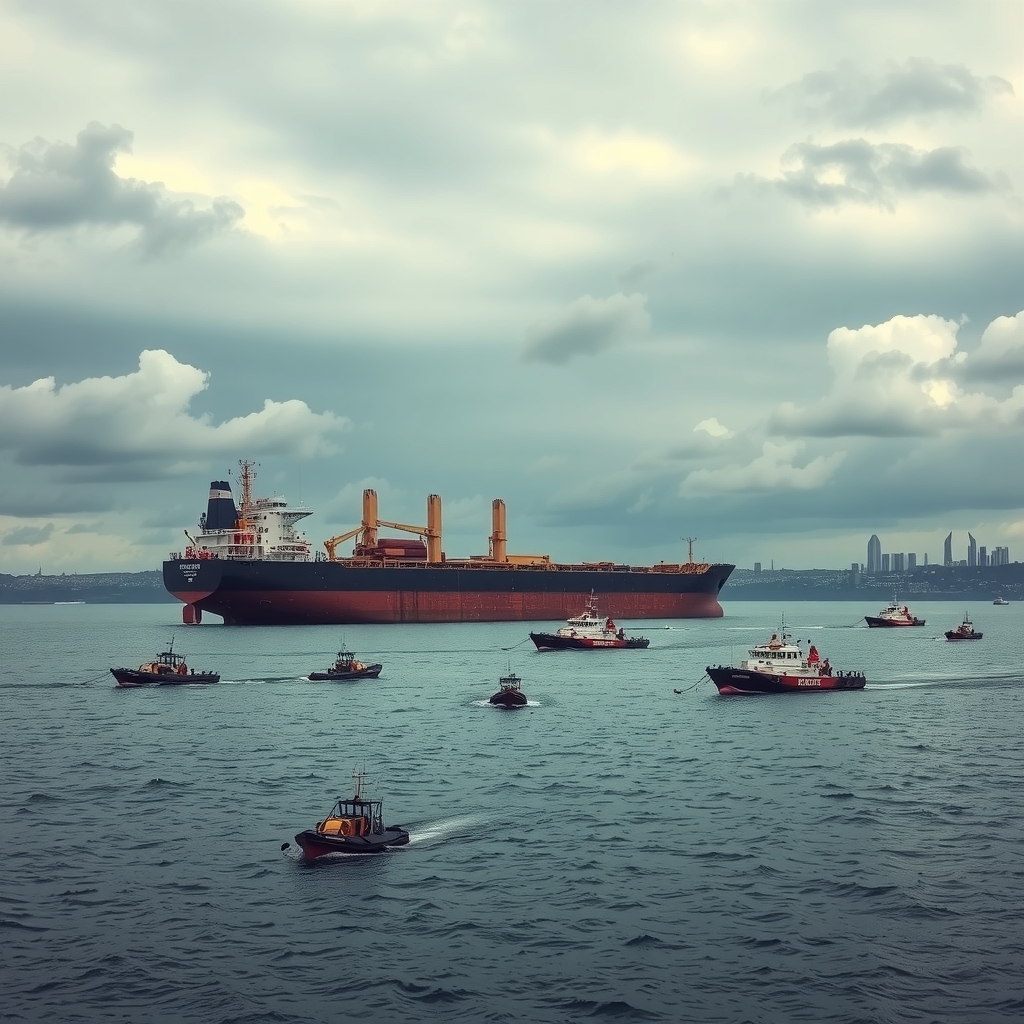
The Foundations of Global Maritime Limitation
The concept of limitation of liability represents one of the most distinctive features of maritime law, rooted in the pragmatic necessity of encouraging maritime commerce by insulating shipowners from the potentially ruinous financial consequences of a single catastrophic voyage. Unlike common law tort systems, which generally emphasize full compensatory damages, the maritime tradition balances the rights of victims against the necessity of stable, risk-managed industry investment. This tension is codified primarily through the Convention on Limitation of Liability for Maritime Claims (LLMC), which serves as the international benchmark for reconciling maritime enterprise with public safety.
Historically, the doctrine of limitation evolved from the concept of abandonment—the idea that a shipowner's liability should be confined to the value of the ship and its pending freight. This rudimentary approach, once prevalent under the merchant traditions of the Mediterranean and later formalized in the United States through the 1851 Limitation of Liability Act, has been systematically replaced by the convention-based system, which ties limitation amounts to the vessel's tonnage rather than its post-casualty value.
How does the LLMC Convention define the scope of shipowner liability?
The LLMC Convention, particularly the 1976 iteration and its 1996 Protocol, establishes a sophisticated framework for liability. Under this regime, shipowners, salvors, and charterers are entitled to limit their liability for a wide array of claims, including loss of life, personal injury, and property damage occurring on board or in direct connection with the operation of the ship. Crucially, the limitation is not an absolute right; it is a shield that can be pierced under specific, narrow circumstances.
The legal mechanism hinges on the concept of breaking the limit, which requires proof that the loss resulted from the owner’s personal act or omission, committed with the intent to cause such loss, or recklessly and with knowledge that such loss would probably result. This high threshold reflects a deliberate policy decision by drafters to ensure that limitation remains the default position, thereby providing the predictability necessary for maritime insurance markets to function effectively. The following table summarizes the key distinctions between the traditional abandonment model and the modern tonnage-based limitation:
| Feature | Abandonment Model | LLMC Convention Model |
|---|---|---|
| Liability Basis | Value of ship/freight | Gross tonnage of the vessel |
| Predictability | Low (value fluctuates) | High (fixed by tonnage) |
| Geographic Scope | Jurisdiction-specific | Uniform international application |
| Piercing the Limit | Rarely invoked | Statutory 'intent/recklessness' |
What factors determine the limit of liability for maritime claims?
Determining the actual financial ceiling involves a multi-layered calculation predicated on the vessel's gross tonnage. The LLMC system employs a tiered approach where the limit increases according to tonnage brackets. For claims involving loss of life or personal injury, the limits are significantly higher than those for property damage. This bifurcation acknowledges the humanitarian priority of human life within the international legal order.
Furthermore, the interaction between the LLMC and specific subject-matter conventions—such as the Bunkers Convention or the Civil Liability Convention (CLC) for oil pollution—creates a complex interplay of legal regimes. In instances of oil spills, for example, the CLC often overrides the general LLMC, imposing a stricter liability regime that reflects the elevated risk to the marine environment. This hierarchy of conventions ensures that specialized risks are addressed with more stringent standards than general navigational liabilities.
The Judicial interpretation of Limitation Rights
International jurisprudence has consistently grappled with the interpretation of what constitutes a claim subject to limitation. Courts, including those interpreting English Admiralty law and civil code jurisdictions, have diverged on the inclusion of wreck removal costs. While some jurisdictions argue that the cost of removing a wreck is a liability arising from the operation of the ship, others have sought to exclude such claims from the global limit, arguing that the public duty to clear navigational hazards falls outside the scope of private financial limitation.
The role of Protection and Indemnity (P&I) Clubs is central to the operational reality of these claims. By providing the mandatory security required for the constitution of a limitation fund, these mutual insurance entities effectively serve as the primary conduits through which maritime liability is discharged. The ability of a shipowner to invoke limitation is often the defining factor in whether an entity remains commercially viable after a catastrophic event, illustrating that limitation is as much a tool of economic preservation as it is a point of legal doctrine.
Navigating the Future of Maritime Responsibility
As maritime operations become increasingly automated, the jurisprudence of limitation faces new challenges. The shift toward autonomous vessels and remote operations complicates the traditional understanding of the owner's personal act or omission. If an automated system commits an error that leads to a loss, the question of whether this constitutes recklessness on the part of the shipowner will inevitably require a re-evaluation of current standards. The law must evolve to reconcile the historical preference for liability limitation with the realities of algorithmic navigation and the changing nature of maritime safety duties.
In conclusion, the limitation of liability remains an essential, albeit contentious, pillar of the maritime legal order. By balancing the need for commercial stability against the requirements of victim compensation, the international community has constructed a framework that is robust, if occasionally opaque. As technological advancements continue to redefine the nature of the ship, the legal doctrines surrounding limitation will necessarily adapt, ensuring that the architecture of global maritime responsibility remains fit for the challenges of the coming century.
Comments
No comments yet.