Corporate Liability in the Maritime Industry: Navigating Risk and Accountability
Explore the complex landscape of corporate liability in the maritime industry, examining legal accountability, vessel operations, and risk management.
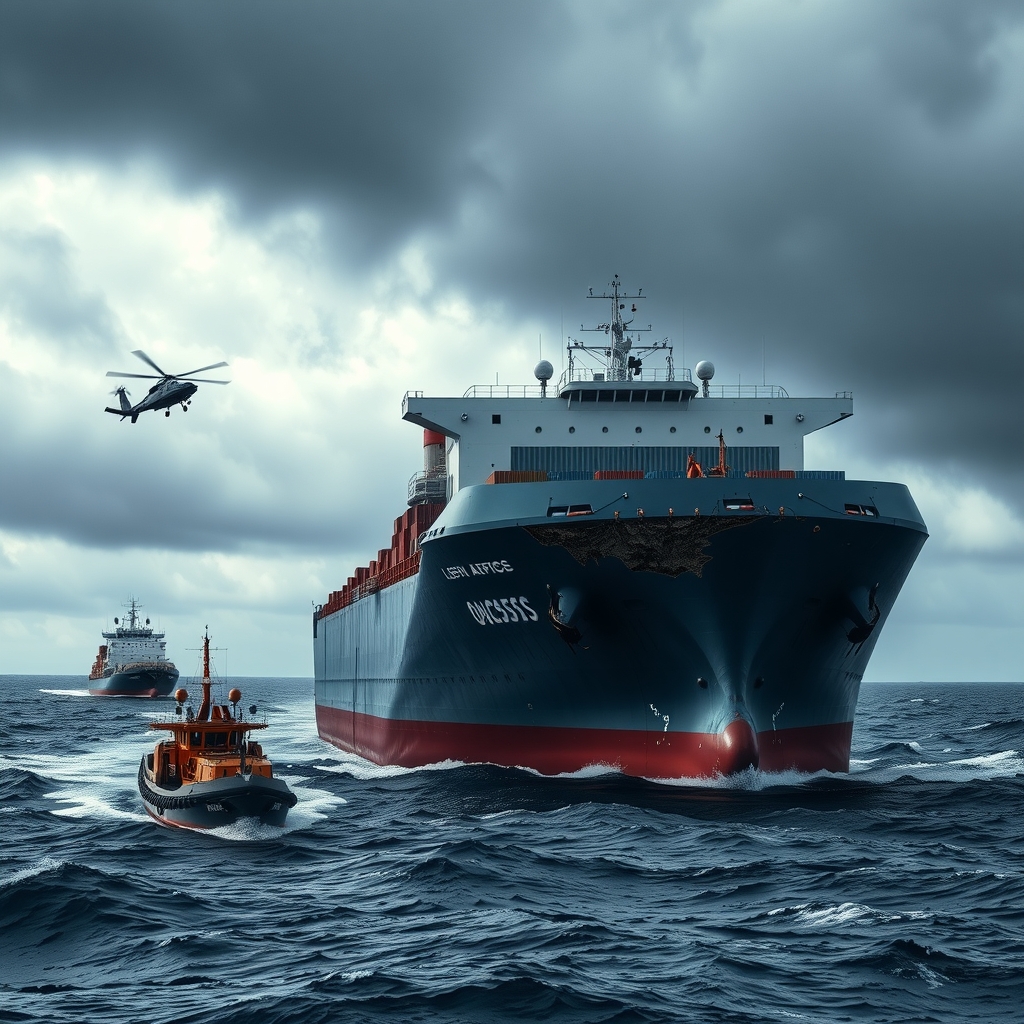
Introduction to Corporate Liability in Maritime Operations
The maritime industry operates as the lifeblood of international commerce, carrying over eighty percent of global trade by volume. Yet, the vast economic benefits of seafaring come paired with extraordinary physical, environmental, and financial risks. When accidents happen at sea—whether through oil spills, catastrophic collisions, structural failures, or crew injuries—the legal fallout inevitably reaches far beyond the immediate captain and crew. Modern maritime jurisprudence places a heavy burden of accountability on the corporate entities behind the vessels. Understanding corporate liability in the maritime industry requires examining a complex web of international conventions, domestic statutes, and evolving judicial interpretations that hold shipowners, charterers, and management companies legally and financially responsible for their maritime operations.
Unlike standard land-based corporate structures, maritime enterprises frequently operate across multiple international jurisdictions. A single shipping corporation might be incorporated in one tax haven, own a vessel registered under a flag of convenience in another nation, employ a crew recruited through agencies across various continents, and navigate international waters governed by overlapping legal frameworks. This international fluidity creates unique challenges for regulatory enforcement and civil litigation. Plaintiffs, regulators, and prosecutors constantly seek to pierce corporate veils to reach the ultimate beneficial owners of maritime assets. Consequently, modern maritime risk management demands rigorous compliance protocols, comprehensive insurance strategies, and a deep understanding of how courts apportion liability among diverse industry participants.
What is corporate liability in the maritime industry?
At its core, corporate liability in the maritime sector refers to the legal responsibility of corporate entities—such as shipowning companies, charterers, and ship management firms—for civil wrongs, criminal offenses, and regulatory violations arising from maritime activities. Unlike personal liability, which attaches to an individual, corporate liability treats the corporate entity as a legal person capable of committing torts, breaching contracts, and violating environmental or safety laws. This framework ensures that victims of maritime disasters and governmental regulators have viable avenues for seeking compensation and enforcing compliance, rather than relying solely on the personal assets of individual crew members or master mariners who rarely possess the financial capacity to cover multi-million-dollar damages.
The scope of corporate liability extends across multiple legal domains, encompassing tort law, contract law, criminal law, and specialized administrative regulations. In civil law contexts, corporations face strict or fault-based liability for property damage, cargo loss, personal injury, and wrongful death. In criminal and regulatory contexts, corporate entities face severe penalties, forfeiture of assets, and operational bans for violating international safety standards or environmental protection laws. The doctrine of vicarious liability, often summarized by the Latin maxim respondeat superior, typically binds the corporation to the negligent acts of its employees and agents performed within the scope of their employment. However, corporate liability also encompasses direct forms of liability, where the corporation itself is found at fault for systemic failures, such as inadequate training, deficient maintenance, or the deployment of unseaworthy vessels.
How do corporate structures limit or expand shipowner liability?
To protect vast capital investments from catastrophic loss, the maritime industry has historically utilized sophisticated corporate structuring. A common practice involves establishing a single-ship company—often a special purpose vehicle—for every individual vessel in a fleet. By isolating each ship within its own corporate entity, owners seek to wall off their wider corporate assets from liabilities arising from an incident involving one specific vessel. If a ship sinks or causes a massive oil spill, claimants theoretically can only pursue the assets of that specific single-ship company, leaving the rest of the parent company's fleet untouched. This strategy forms a cornerstone of modern maritime asset protection and risk mitigation.
However, courts and legislative bodies have developed legal mechanisms to prevent the abuse of these structural buffers. When plaintiffs can demonstrate that a single-ship company is merely an alter ego of a parent corporation, or that corporate formalities were routinely ignored, judges may pierce the corporate veil to hold parent companies and ultimate beneficial owners directly liable. Furthermore, traditional maritime law incorporates the principle of limitation of liability, which historically allowed shipowners to cap their financial exposure following an accident to the post-casualty value of the vessel plus pending freight. Modern legal regimes have increasingly restricted the availability of this limitation, particularly where corporate management was privy to the unseaworthiness of the vessel or engaged in intentional or reckless misconduct. Consequently, relying solely on complex corporate structuring without robust operational safety is an inadequate risk management strategy.
What role do international conventions play in maritime corporate accountability?
Maritime commerce transcends national borders, necessitating a unified international legal framework to govern corporate accountability. Numerous international conventions, established under the auspices of the International Maritime Organization and other global bodies, set uniform standards for ship safety, pollution prevention, and financial compensation. These conventions establish strict liability regimes that bypass traditional fault requirements, ensuring that corporate entities engaged in high-risk maritime transport internalize the full social and environmental costs of their operations.
Key regulatory frameworks impacting corporate liability include:
- The International Safety Management Code: Mandates the establishment of robust safety management systems, directly exposing shipping companies to liability if shore-based management fails to implement adequate safety protocols.
- International Civil Liability Conventions: Imposes strict, channelled liability on shipowners for environmental damage caused by oil or hazardous substances, requiring mandatory insurance and financial security certificates.
- The Maritime Labour Convention: Establishes comprehensive rights and working conditions for seafarers, holding shipowners and operators accountable for crew welfare, repatriation, and medical care.
- International Ship and Port Facility Security Code: Imposes strict security duties on shipping companies and port operators to prevent unlawful acts against maritime transport.
These conventions demonstrate a clear regulatory shift: rather than placing responsibility solely on the master of the ship, international law increasingly targets shore-based corporate management, executives, and directors. Corporations must actively demonstrate compliance with these international standards or face severe administrative detentions, criminal prosecution, and civil damages.
Who can be held responsible in a maritime corporate negligence claim?
When a maritime casualty leads to litigation, identifying the proper defendants requires navigating a complex contractual and operational matrix. The maritime industry relies on outsourced services, specialized management contracts, and complex charter arrangements, all of which obscure the chain of responsibility. Consequently, plaintiffs often name multiple corporate entities in their claims, ranging from the registered owner to the commercial charterer and the third-party technical manager.
The primary corporate entities facing potential liability include:
- Registered Owners: The legal titleholders of the vessel, typically bearing primary liability for unseaworthiness, navigation errors, and statutory violations.
- Bareboat or Demise Charterers: Entities that lease the vessel and assume full possession and control, effectively stepping into the shoes of the owner for operational liability.
- Time and Voyage Charterers: Commercial entities that hire the vessel or its cargo space, who may bear liability for cargo damage, unsafe ports, or operational directives given to the master.
- Ship Management Companies: Third-party entities contracted to handle crewing, maintenance, and technical operations, potentially liable for negligent management or deferred maintenance.
Allocation of liability among these parties depends heavily on contractual indemnity clauses, charterparty terms, and factual determinations regarding who exercised actual control over the vessel's operations at the time of the incident. Courts carefully examine the operational realities behind contractual labels to determine where fault truly lies.
How are environmental and safety violations prosecuted against maritime corporations?
Environmental protection has become a primary focal point for corporate liability in the maritime sector. Incidents involving illegal waste discharges, oil spills, and greenhouse gas emissions trigger aggressive enforcement actions by coastal states and port authorities. Prosecutions under domestic laws, such as the Act to Prevent Pollution from Ships in the United States or equivalent European Union directives, frequently target corporate entities with substantial criminal fines, mandatory environmental compliance programs, and probation.
Beyond civil damages for cleanup and ecological restoration, corporate officers and managers face personal criminal exposure for covering up environmental violations. Whistleblower programs, often incentivizing crew members to report illegal discharges of oily bilge water or garbage management falsifications, have become powerful tools for prosecutors. When an onboard practice violates environmental laws and shore-based management knew or should have known about it, the corporate veil offers no protection against criminal indictment. Consequently, maritime corporations must foster a strong safety culture that encourages transparent reporting and strict adherence to environmental regulations.
Conclusion and Future Outlook for Maritime Corporate Governance
Corporate liability in the maritime industry remains a dynamic and expanding field of law, driven by heightened environmental awareness, technological advancements, and stricter international regulations. The days of distant shipowners hiding behind complex corporate structures to evade responsibility are rapidly fading. Modern courts, international organizations, and coastal regulators increasingly pierce corporate shells to hold executive leadership and shore-based management accountable for the safety and environmental impact of their fleets.
As the industry moves toward autonomous shipping, digital navigation systems, and alternative green fuels, new legal questions regarding corporate liability will inevitably emerge. Software developers, equipment manufacturers, and data service providers may soon join traditional shipowners and charterers in the complex web of maritime litigation. To survive and thrive in this demanding environment, maritime corporations must prioritize proactive risk management, stringent regulatory compliance, and robust safety cultures. By aligning operational practices with evolving legal standards, shipping companies can protect their assets, safeguard the marine environment, and ensure sustainable operations in the global marketplace.
Comments
No comments yet.