Ballast Water Management Convention
The Ballast Water Management Convention aims to prevent the spread of invasive species. It requires ships to implement ballast water management systems
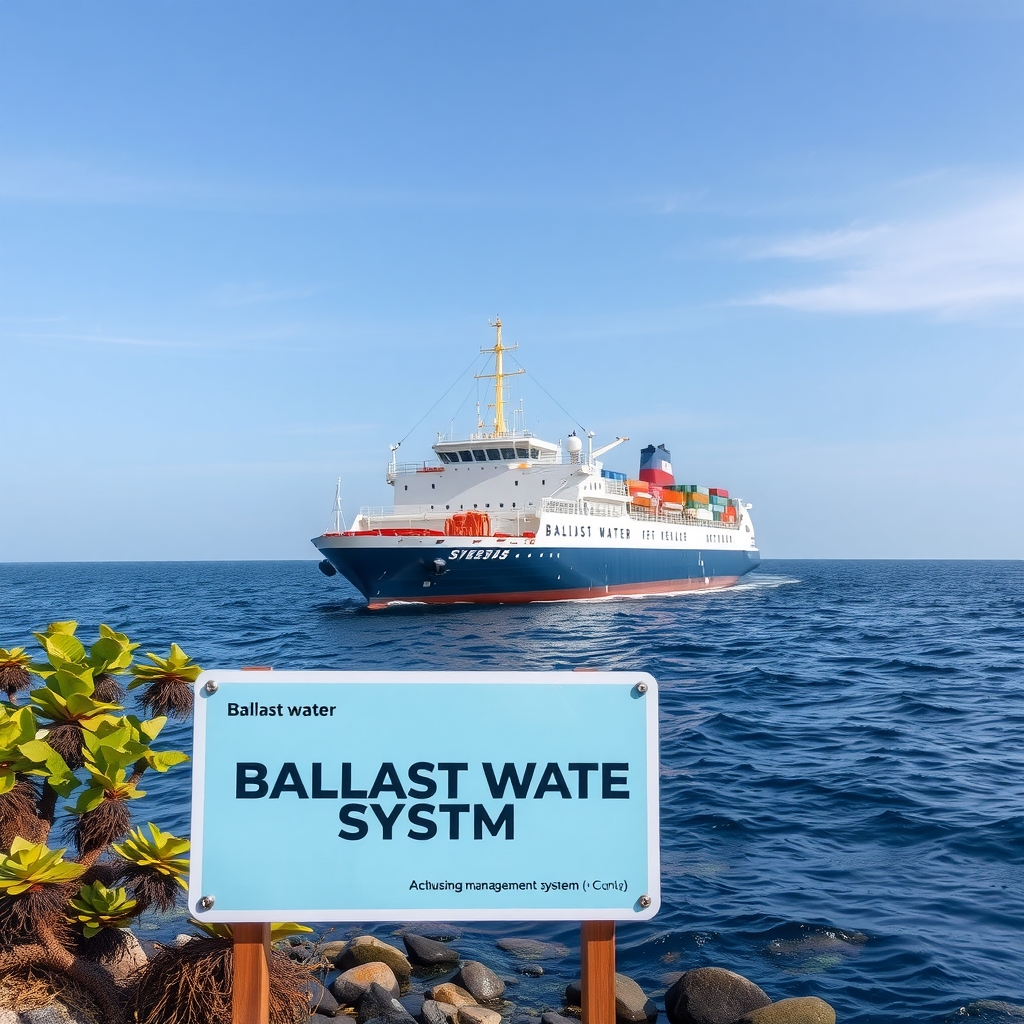
The Ballast Water Management Convention is an international treaty adopted by the International Maritime Organization (IMO) to prevent the spread of invasive species through ballast water. The convention requires ships to implement ballast water management systems to minimize the risk of introducing non-native species to new environments.
What is the Ballast Water Management Convention?
The Ballast Water Management Convention is a global agreement that sets standards for the management of ballast water on ships. Ballast water is used to stabilize ships during transit, but it can also carry invasive species that can harm local ecosystems. The convention aims to prevent the spread of these species by requiring ships to implement ballast water management systems.
How does the Ballast Water Management Convention work?
The convention requires ships to implement a ballast water management plan that includes measures to minimize the risk of introducing non-native species. This can include using ballast water treatment systems, exchanging ballast water in open ocean, or using other approved methods. Ships must also maintain a ballast water record book to track their ballast water operations.
What are the benefits of the Ballast Water Management Convention?
The convention has several benefits, including the protection of local ecosystems from invasive species, the prevention of economic losses due to invasive species, and the promotion of sustainable shipping practices. By implementing ballast water management systems, ships can reduce the risk of introducing non-native species and help to protect the environment.
What is the current status of the Ballast Water Management Convention?
The Ballast Water Management Convention entered into force in 2017 and has been ratified by over 80 countries. The convention is implemented and enforced by the IMO, which provides guidance and support to countries and shipping companies to help them comply with the regulations.
How does port state control work in relation to the Ballast Water Management Convention?
Port state control is an important aspect of the Ballast Water Management Convention. It allows port states to inspect ships and verify that they are complying with the convention's requirements. Port states can also take enforcement action against ships that are not in compliance, including detaining the ship or imposing fines.
Who is liable for non-compliance with the Ballast Water Management Convention?
Ship owners and operators are liable for non-compliance with the Ballast Water Management Convention. They are responsible for ensuring that their ships are in compliance with the convention's requirements and for implementing ballast water management systems. Flag states and port states also have a role to play in ensuring compliance with the convention.
What are the challenges of implementing the Ballast Water Management Convention?
There are several challenges associated with implementing the Ballast Water Management Convention, including the cost of implementing ballast water management systems, the complexity of the regulations, and the need for international cooperation. However, the benefits of the convention, including the protection of local ecosystems and the promotion of sustainable shipping practices, make it an important step forward in the management of ballast water.
In conclusion, the Ballast Water Management Convention is an important international treaty that aims to prevent the spread of invasive species through ballast water. The convention requires ships to implement ballast water management systems and has several benefits, including the protection of local ecosystems and the promotion of sustainable shipping practices.
What is the future of the Ballast Water Management Convention?
The future of the Ballast Water Management Convention is likely to involve continued implementation and enforcement of the regulations, as well as ongoing review and revision of the convention to ensure that it remains effective in preventing the spread of invasive species. The convention will also need to be adapted to address new challenges and technologies, such as the use of alternative ballast water management systems.
Comments
No comments yet.