Autonomous Vessels and the Reconfiguration of Maritime Liability Regimes
This analysis evaluates how autonomous shipping challenges the traditional concepts of master and crew liability under established international maritime conventions.
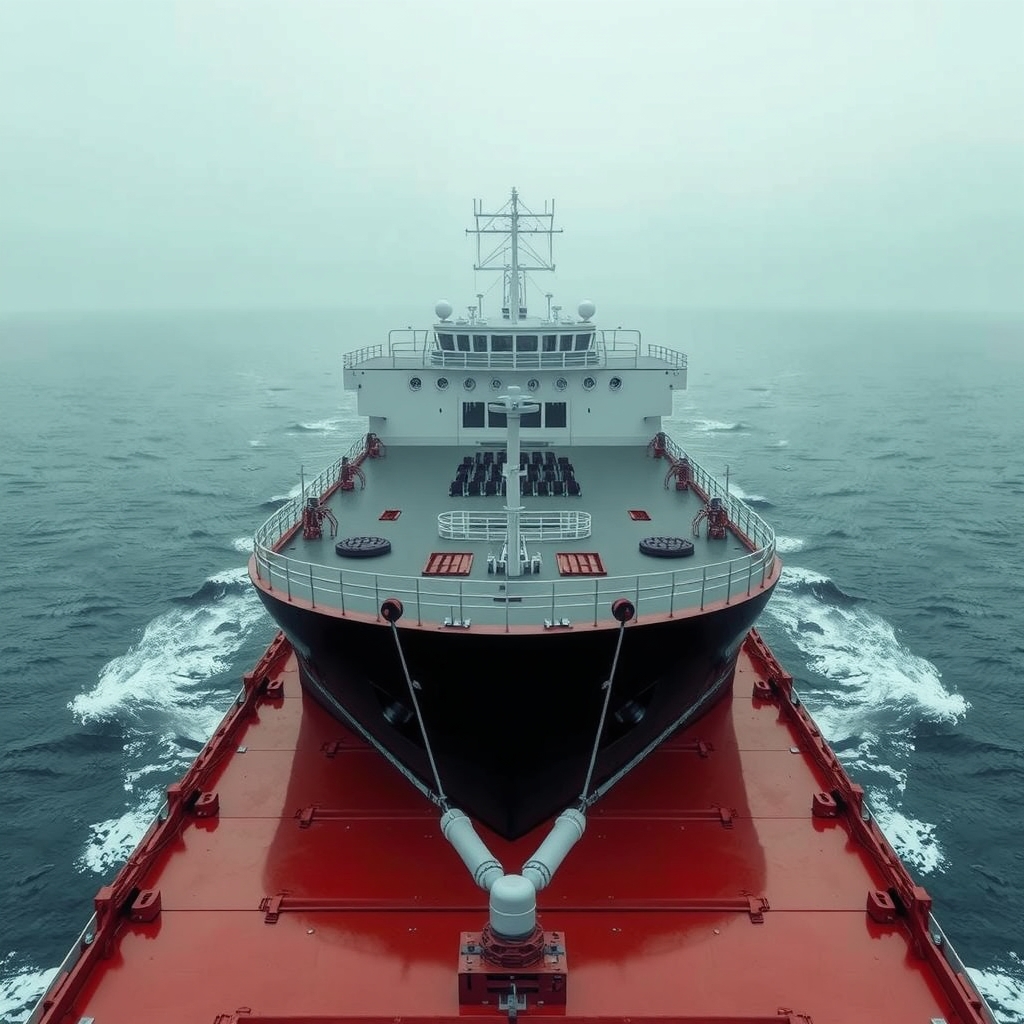
The Paradigm Shift in Navigation
The transition toward Maritime Autonomous Surface Ships (MASS) necessitates a profound re-evaluation of the legal principles that have governed seafaring for centuries. Traditionally, the master of a vessel—a human agent—functions as the central node of accountability, exercising command, control, and judgment in real-time. The introduction of varying degrees of automation, ranging from decision-support systems to fully autonomous, shore-controlled vessels, threatens to render the historical concept of the master legally obsolete. Existing international instruments, most notably the United Nations Convention on the Law of the Sea (UNCLOS) and the International Convention for the Safety of Life at Sea (SOLAS), operate on the fundamental assumption of human presence on board. The shift toward remote operation or algorithm-driven navigation requires a jurisprudential pivot from human-centric oversight to system-centric reliability and liability allocation.
How does the International Maritime Organization define ship master responsibilities in an autonomous era?
The International Maritime Organization (IMO) has initiated a scoping exercise to determine how existing instruments apply to MASS. A central point of contention remains the role of the master as defined in SOLAS Regulation V/34 and the STCW Convention. These texts presume that the master is present to exercise professional judgment in the face of unforeseen navigational hazards. When a vessel operates autonomously, the master’s duty to maintain a proper lookout or to provide assistance to those in distress at sea under UNCLOS Article 98 becomes legally ambiguous. Current discourse suggests that the role of the master may be transferred to a remote operator; however, the legal implications of such a transfer regarding chain of command, fatigue management, and jurisdictional authority over the remote control center remain unresolved. Without a formal amendment to these treaties, the legal nexus between the ship and the shore-based commander lacks the necessary clarity to assign fault in the event of a casualty.
Who is liable for a ship collision involving an autonomous vessel?
Liability in maritime law traditionally follows the principles of negligence, often framed within the context of the master’s failure to act as a reasonably prudent seaman. When an autonomous vessel is involved in a collision, the inquiry shifts from individual human error to product liability and systemic failure. Under the Hague-Visby Rules, carriers are obliged to exercise due diligence to make the ship seaworthy. If a collision arises from a software bug or a latency issue in a satellite communication link, courts may struggle to categorize the fault. If the collision is classified as a product defect, the shipowner may seek to hold the software developer or the systems integrator liable, potentially complicating the traditional doctrine of limitation of liability under the 1976 LLMC Convention. The uncertainty stems from whether a software algorithm can be held to the standard of a master or if the responsibility rests entirely upon the owner for deploying a system that failed to conform to the COLREGs (International Regulations for Preventing Collisions at Sea).
The Jurisprudential Conflict of Agency
The development of MASS necessitates a confrontation with the doctrine of agency in admiralty law. If a vessel acts on artificial intelligence without human intervention, it functions effectively as an autonomous agent. Jurisprudence from the International Court of Justice (ICJ) and various arbitral tribunals, including those under the Permanent Court of Arbitration (PCA), highlights the importance of state responsibility for the actions of private vessels. If an autonomous vessel causes environmental damage, the flag state may find itself increasingly scrutinized for failing to ensure that the vessel’s systems comply with international standards. The friction between proprietary software protections and the public interest in transparency regarding navigational logic creates a significant barrier to discovery and evidentiary standards in maritime litigation.
Comparative Matrix of Liability Scenarios
| Scenario | Traditional Liability Basis | MASS Liability Basis |
|---|---|---|
| Collision | Master/Crew Negligence | Software/Design Defect |
| Environmental Spill | Master/Owner Error | Systemic Fault/Owner Liability |
| Salvage Obligation | Master's Duty | Remote Operator's Protocol |
| Seaworthiness | Physical State of Hull/Gear | Cybersecurity/Algorithm Integrity |
Future-Proofing Maritime Jurisprudence
Looking forward, the integration of MASS into global trade requires more than technical standardization; it demands a robust, harmonized framework for digital accountability. The divergence between civil law jurisdictions, which emphasize strict liability, and common law jurisdictions, which lean heavily into negligence-based torts, may widen if the international community fails to provide a uniform definition of an autonomous agent. The reliance on smart contracts and automated execution of charters further complicates the picture, as contractual disputes may now involve machine-learning entities rather than human parties. To mitigate these risks, the international maritime community must advocate for a bifurcated regime that maintains clear lines of liability for shipowners while simultaneously creating a specialized compensation fund for losses arising from non-attributable algorithmic error.
Conclusion
Autonomous shipping represents not merely a technical evolution but a tectonic shift in the foundational doctrines of the law of the sea. By decoupling the master’s decision-making from the vessel’s physical location, the industry risks undermining the regulatory structures built upon centuries of human-centric navigation. Resolving the ambiguities inherent in current maritime conventions is a prerequisite for the widespread adoption of MASS. As the law evolves, it must balance the efficiency gains promised by automation with the immutable requirements of safety and accountability that define the maritime order.
Comments
No comments yet.